Don’t Let the House Win!
If you drive for Amazon Flex and grab the first base-pay block that pops up, you’re probably costing yourself more than you realize. Think of Amazon Flex like a blackjack table: drivers are the players, and Amazon — with its opaque algorithm — is the dealer. If players act together and play strategically, they change the dynamics at the table. When every driver rushes to accept base pay because they fear there won’t be another block, the algorithm rewards impatience with lower pay. The result: you work harder for less.
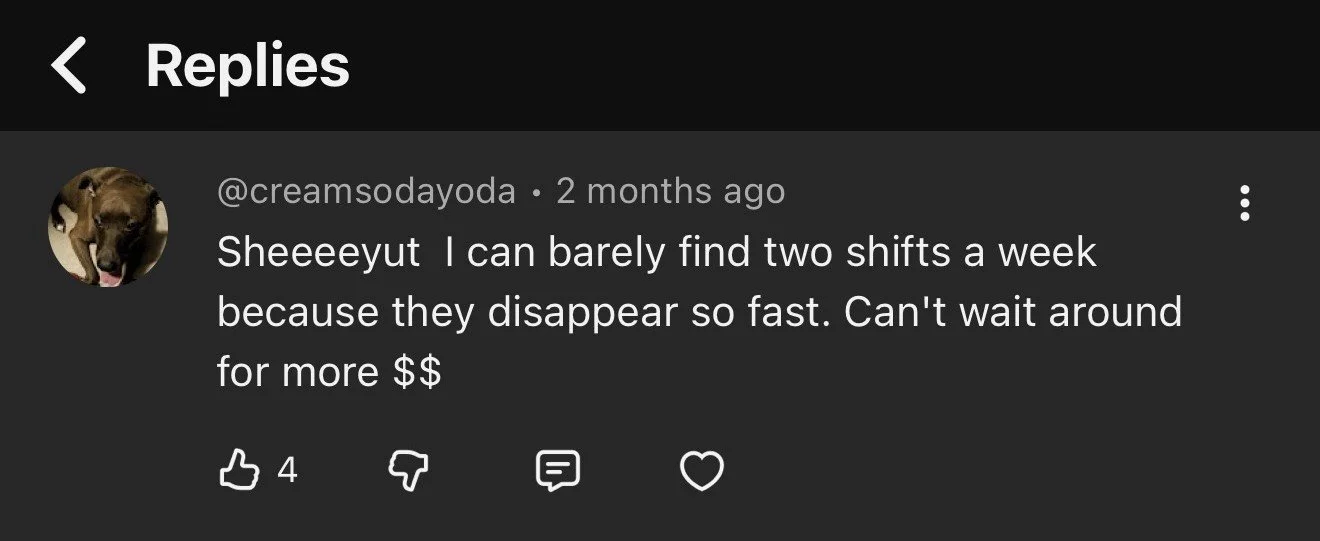
How the “Scarcity Trap” Works
The Scarcity Trap is simple and psychological. When offers appear thin, it feels urgent: take this block now or maybe none will come later. That fear pushes many drivers to accept base pay immediately. Amazon’s system notices that blocks are being filled quickly and has no incentive to increase pay. Why would it? The “house” is getting what it wants: blocks filled without increasing costs.
Now imagine an alternative. If drivers collectively declined base-pay blocks and waited for surge pay, the supply of available drivers for those slots would shrink. Surge would appear more often, and higher-pay blocks would become the norm. The algorithm would be forced to raise pay to fill blocks — or those blocks would simply not be completed on time. In short: patience can change the economics.

The Blackjack Analogy — Why It Fits
In blackjack you don’t always hit. You make calculated choices based on the dealer’s and other players’ behavior. When a table of players follows a smart strategy, it affects the game’s flow. Amazon Flex is similar: the algorithm responds to collective behavior. If every player blindly “hits” (accepts any block), the house maintains its edge. If a critical mass waits for better odds, the house must adjust.
Why Waiting Matters — Practical Effects
• More frequent surges: fewer drivers accepting low offers means higher pay is needed to attract help.
• Better per-hour earnings: rejecting low blocks can increase your average payout per hour.
• Reduced wear for pay: fewer low-paying deliveries mean less time and vehicle depreciation per dollar earned.
Community Is the Key
This strategy only works with coordination and information. Local communities of Flex drivers — on Reddit, Facebook groups, or messaging apps — let drivers share surge patterns, high-paying windows, and which warehouses/areas are more likely to surge. If your local network is weak or nonexistent, you’ll struggle to wait safely without losing all opportunities.
When to Walk Away
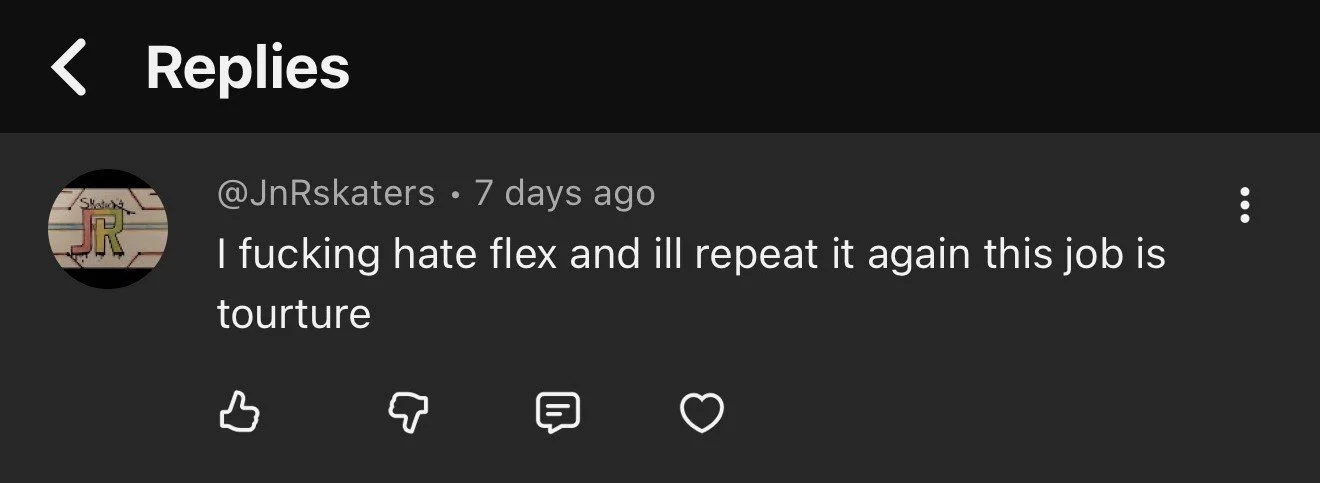
If you can’t reliably find surges in your area and there’s no local driver community sharing intel, consider whether Amazon Flex is worth the cost. Driving for base pay alone often doesn’t cover vehicle wear, fuel, and time. Don’t be afraid to explore alternative gig work where demand and earnings are more predictable and sustainable.
Closing: Play the Table, Don’t Feed the House
The house always wins if you play to its rules. But if drivers start thinking like savvy blackjack players — patient, informed, and coordinated — the balance can shift. Waiting for surge pay isn’t about being picky; it’s about recognizing that accepting every low offer trains the algorithm to pay you less. Build community, share information, and choose blocks strategically. If your local market won’t support that, protect your time and vehicle by finding work that pays fairly.
Call to action
Join or start a local Flex driver group. Share surge windows and patterns. Test this approach with a few shifts and compare your weekly earnings. If you want, tell me your city and I’ll suggest where to look for driver communities or alternative gig options.