
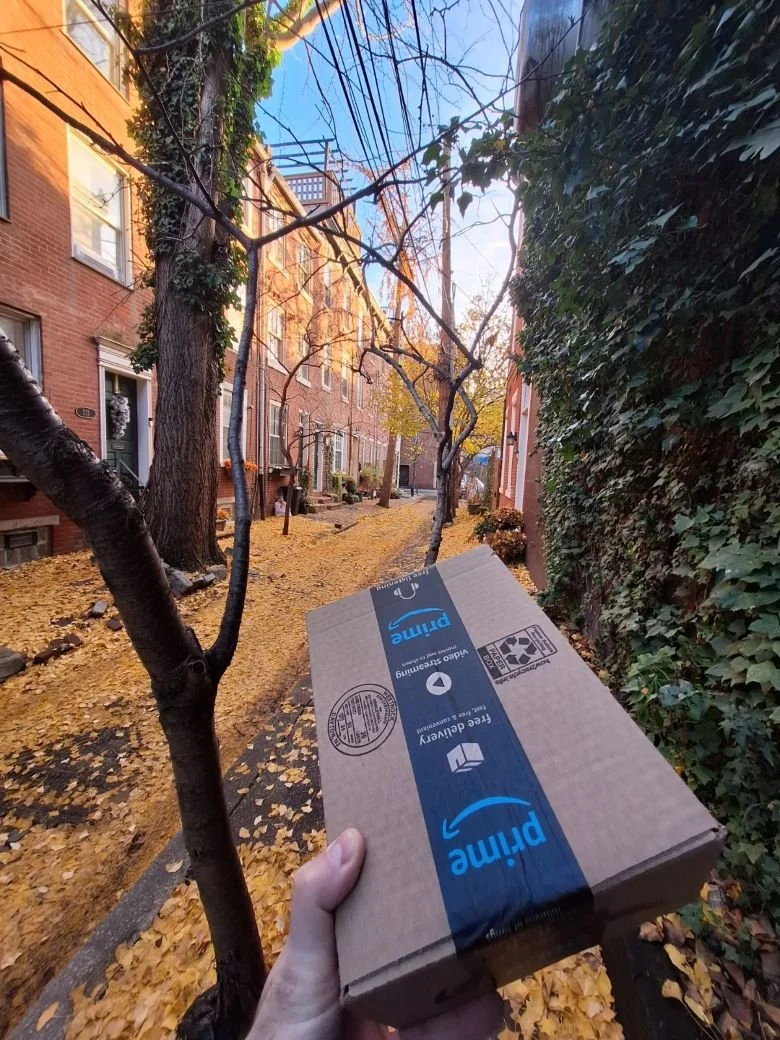
Is It Worth Driving 40 Minutes to Check Amazon Flex Block Rates?
Wondering if driving 40 minutes to check Amazon Flex block rates is worth it? Offers appear 24/7 based on demand, but unpaid commute costs like fuel can quickly erase profits. Learn to calculate your break-even point, research local driver groups, and avoid chasing unprofitable blocks.

Secret TRICK that Makes RIDRES Reveal the TRUTH!
Every rideshare journey is an opportunity to connect with passengers. A secret I use is focusing on making statements that invite conversation rather than asking direct questions. his technique fosters engaging conversations, encouraging passengers to share their stories. By the end of the ride, we both leave smiling, creating memorable moments that often lead to generous tips!

How Do Rideshare Drivers Manage their Time Effectively?
Effective time management is vital for gig workers balancing multiple commitments. By implementing these strategies, they can enhance productivity, reduce stress, and maintain a healthy work-life balance, ultimately leading to greater success in their diverse roles.

No Tips After Promised: A Rideshare Driver’s Frustration
It's unrealistic to expect a tip for every ride, but certain moments can boost your earnings. Anticipate tips when you go above and beyond for customers or when they promise one for an extra favor, like a quick stop. However, remember that promised tips in the app often don't materialize. Stay proactive, provide excellent service, and engage with riders to enhance the chances of receiving a tip.

How to Make More Money Driving Rideshare
Driving rideshare once promised freedom and flexibility, but the current reality is more challenging for drivers. With increasing living expenses, the costs of vehicle upkeep, and an oversaturated market have made it hard to turn a profit. Adapting to this new reality is essential for success.

The Best Rideshare Vehicle is the One You Currently Have
Wondering about the best vehicle for driving rideshare with Uber or Lyft? The answer is simple: stick with your current car! Keeping your existing vehicle means no additional expenses or stress from car payments. When you decide to upgrade, make sure it’s a choice that serves your personal and family needs first, as rideshare is often a temporary gig.

Are Rideshare Platforms Driving Away Their Best Drivers?
Uber and Lyft developed their driver apps with appealing cash incentives to attract and retain drivers, backed by substantial investor funds. However, as they look for ways to engage drivers without relying solely on monetary rewards, a concerning trend has emerged: reduced incentives. This shift risks driving away experienced drivers, leaving only less skilled drivers on the road.

The “Say My Name” Game—A Rideshare Driver’s Perspective
I’ve always followed my Golden Rules to ensure a positive experience for my riders and me. One of my original rules was to have riders verify their name before entering my vehicle. However, I realized that being strict about not sharing their name often led to awkward starts and negative ratings. Recently, I chose to relax this rule, and the results have been amazing!

My 5 Golden Rules for Driving Rideshare
After years of driving and thousands of rides as a rideshare driver, I’ve learned invaluable lessons—many through my own mistakes! That’s why I developed my 5 Golden Rules to help you maximize your experience. Whether you’re a seasoned driver or just starting out, these rules can prevent headaches and improve your passengers’ experience.

Understanding the Scarcity Effect in Amazon Flex 📦✨
The scarcity effect is a psychological principle where people value things perceived as limited. This drives FOMO and can lead to quick, impulsive decisions. For example, the Amazon Flex algorithm releases delivery blocks slowly, creating urgency and often pushing drivers to accept lower-paying jobs instead of waiting for better offers.

The Psychology Behind Rideshare Apps 🧠🎲
By offering unpredictable rewards, rideshare platforms encourage drivers to stay on the road longer, hoping for a big payout. Each interaction with the app, accompanied by casino-like sounds, triggers dopamine release in the brain, enhancing motivation. This strategy not only increases productivity but also creates a gamified driving experience, making it hard for drivers to log off.

The Gamification of Rideshare Apps 🎰🎲
Rideshare apps like utilize the Scarcity Effect to keep drivers actively engaged. This psychological strategy creates an addictive cycle, where the unpredictability of trip requests fuels anticipation and excitement. Drivers eagerly await that elusive “unicorn” ride—an opportunity for a high-paying fare. Explore how these factors turn driving into a thrilling game of chance.

How Rideshare Apps Keep Drivers Hooked
While rideshare apps promise flexibility, many drivers find themselves trapped in a cycle of necessity, working long hours just to make ends meet. The dwindling financial incentives force drivers to chase fleeting bonuses, leading to stress and burnout. It's time to recognize the true costs of this gig economy and advocate for fairer wages and better working conditions for all rideshare drivers.

When Riders Put Drivers in Tough Spots
As a rideshare driver, every day presents new challenges, often differing from the optimistic expectations many have when starting. While driving can be rewarding, awkward situations can arise, leaving drivers feeling uneasy. From dealing with riders eating in your car to tricky pickup spots, it's essential to navigate these scenarios effectively.

Should Uber cover its Uber Eats drivers’ work-related expenses?
The California Supreme Court ruled on Monday that Uber Eats driver Erik Adolph never surrendered rights to sue Uber under California state law.