When Parents Expect Drivers to Break the Rules
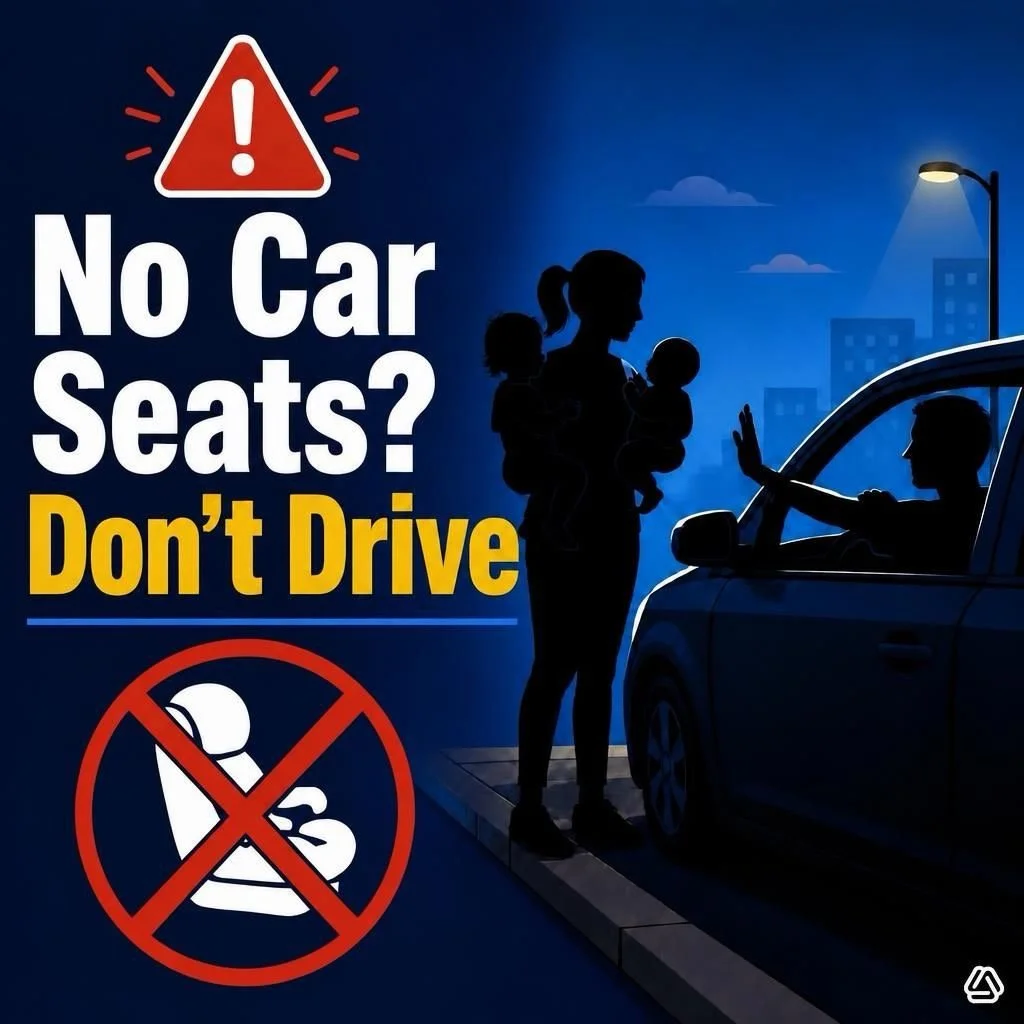
I pulled up to a pickup once and found a young mother with an infant and a toddler — and no car seats between them. She expected me to load the kids and drive. That moment crystallizes one of the most frustrating and dangerous situations rideshare drivers face: passengers who try to push drivers into carrying unrestrained children.
Why this matters
• Safety first: Children should always ride in an appropriate car seat. Unrestrained infants and toddlers are at extreme risk in a crash or even a sudden stop.
• Liability risk: If you accept passengers with unrestrained children and something goes wrong, you — the driver — bear the immediate consequences: platform deactivation, insurance headaches, possible legal trouble and skyrocketing premiums. The small fare isn’t worth that exposure.
• Unequal accountability: In practice, drivers often absorb the penalties while the rider who created the danger faces little to no immediate consequence. That’s infuriating — and dangerous.
What I do — clear, simple rules
✋ I will not transport children who are not secured in an appropriate car seat. Zero exceptions.
👶 If a rider shows up with kids but no seats, I cancel the trip. I don’t wait around trying to collect a cancellation fee—it wastes my time and keeps me in a risky situation.
🗣️ State your boundary politely without raising your voice, arguing, or engaging in a debate
🤬 I won’t escalate the situation. I make safety my top priority and move on.
“Why Do You Require Car Seats When Other Drivers Don’t?”
This question often comes up when I have to decline a ride due to the absence of a car seat, and it’s usually accompanied by a look of surprise from passengers. I firmly maintain my boundaries without engaging in debate or offering apologies, though I do empathize with their situation. Many people simply aren’t aware of the regulations governing rideshare services.
I often respond with:
“I understand your frustration, but for your child's safety and by law, I cannot transport children without a car seat. I'm going to cancel the ride now so you can make other arrangements.”
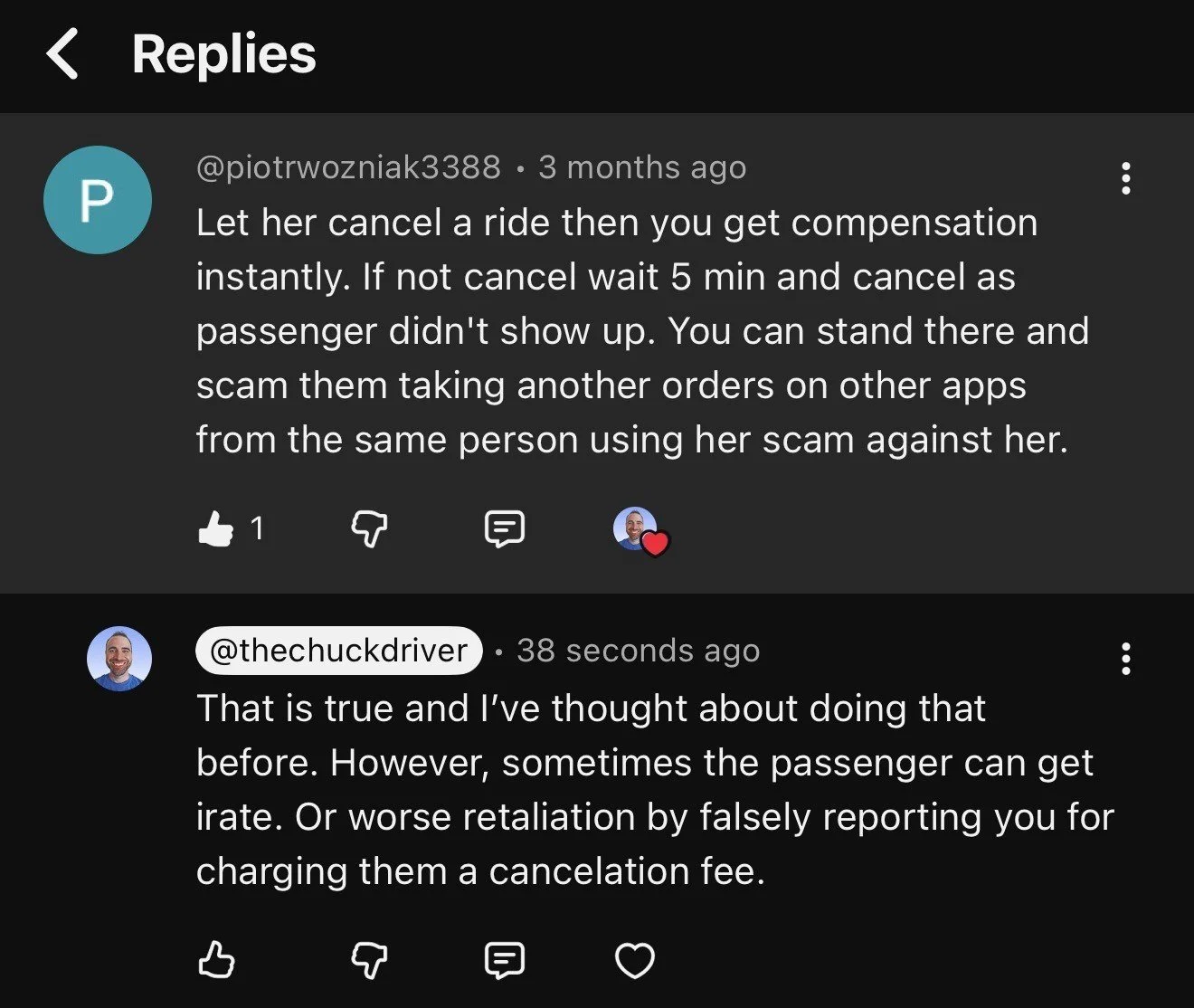
This way, I ensure that safety remains a top priority while still providing a respectful explanation. This also limits the possibility of a retaliatory false report to Uber or Lyft by the passenger.
On retaliation and false reports
Some riders may become angry or even attempt to retaliate with a false report. That possibility is real and part of why I won’t take the risk. Keep calm, document, and file the incident with platform support immediately — that’s the right path.
Practical steps for drivers:
🗣️ Communicate calmly: When you arrive, politely say you can’t transport children without proper restraints and explain it’s for everyone’s safety. Offer to cancel the ride for them.
📸 Document the situation: Take a photo of the pickup (not of the children) and save any chat or call logs. If the rider becomes hostile or files a false complaint, evidence helps.
📲 Use the app properly: Cancel the trip and report the reason to the platform (no car seats / safety risk). Follow the rideshare company’s guidance for safety-related cancellations.
🤬 Avoid confrontation: If the rider gets abusive or threatens retaliation, immediately end the interaction.
🛡️ Protect your next rides: Don’t hang around trying to force a cancellation fee out of the situation. Your time and safety are worth more than a small payout.
A small fare is not worth a lifelong regret
Yes, it stinks to lose a fare. But risking your license, your insurance, your livelihood — and a child’s life — for a few dollars is indefensible. If you’re a driver, make your boundary clear and stick to it. If you’re a rider, bring the right car seats or arrange alternative transportation.
Rideshare safety works when both sides respect basic rules. Drivers should never be put in the position of choosing between a paycheck and a child’s safety. Firm, polite refusal plus careful documentation protects you and everyone on the road.
What are the potential consequences for drivers who transport unrestrained children in rideshare situations?
Short answer — serious. Main possible consequences for a driver who transports unrestrained children:
📵 Platform discipline (cancellation penalty, account suspension or deactivation). Rideshare policies allow drivers to refuse/cancel for safety reasons, but cancellations can still count against drivers and may lead to deactivation if disputed or frequent.
📝 Insurance denial or claim problems after a crash. If a child is unrestrained and local law was broken, an insurer may deny coverage or contest claims, leaving the driver personally liable for damages.
👨⚖️ Civil liability (lawsuits). Injured passengers — including children — or their guardians can sue the driver for injuries. Lack of proper restraint worsens exposure and damages.
👮♂️ Criminal penalties or fines under state child-restraint laws. Many states impose fines and, in severe cases, felony criminal charges, including criminally negligent homicide, manslaughter, or murder by abuse or neglect, alongside child endangerment.
🪪 Driver’s license consequences. Depending on jurisdiction and incident severity, a driver can have their license revoked and therefore lose their ability to earn a living driving rideshare.
💸 Higher insurance premiums, policy cancellation, or difficulty obtaining future coverage. A crash or a claim tied to unrestrained passengers can dramatically increase rates or lead to nonrenewal.